Coco substrate, explained properly.
Straight, practical guidance on choosing and using coco substrate for reptiles and amphibians — useful for your own buying decisions, and content your customers can trust.
Where would you like to start?
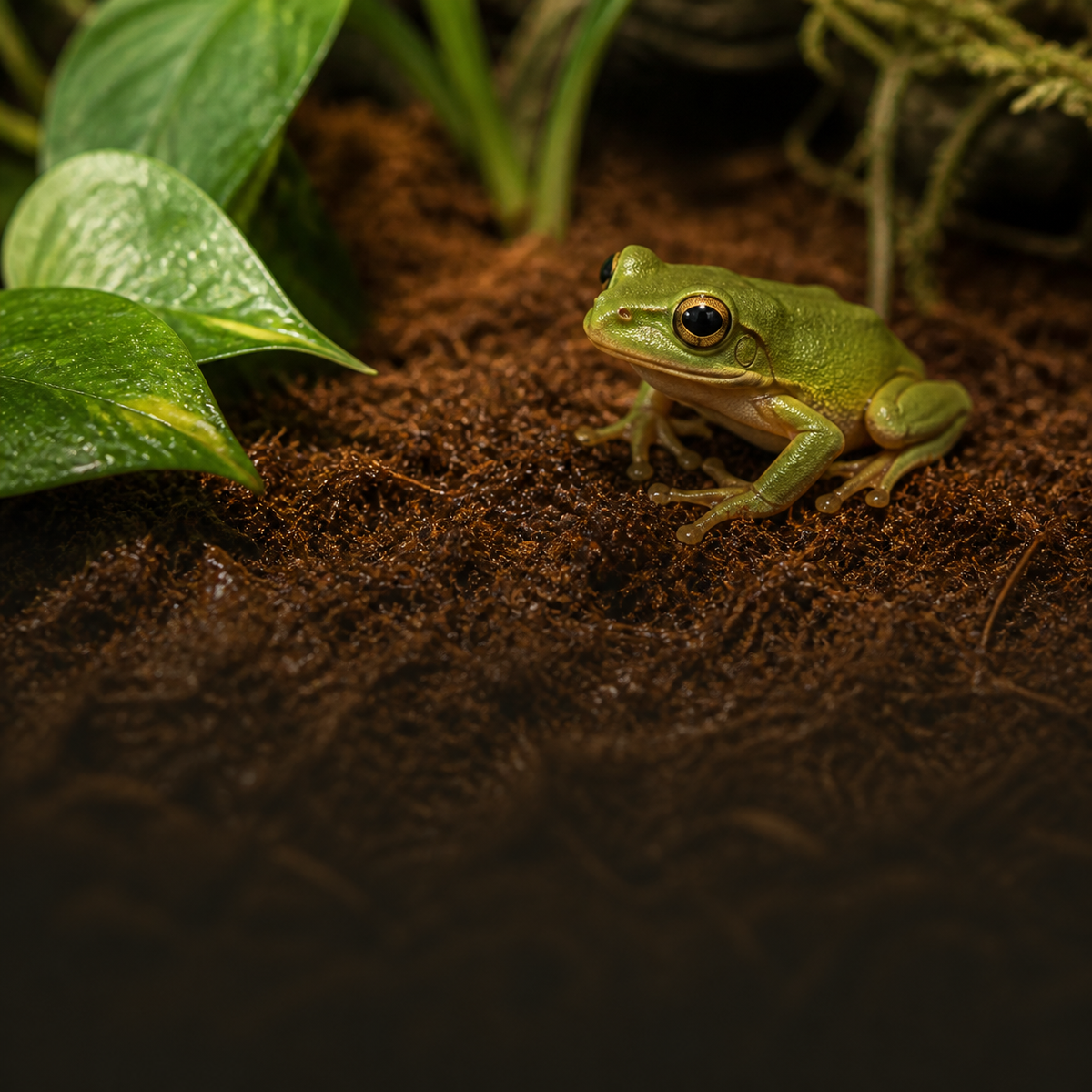
Is coco coir safe for reptiles?
What makes coco substrate safe for animals — salt, dust, chemicals and impaction, explained.
Read guide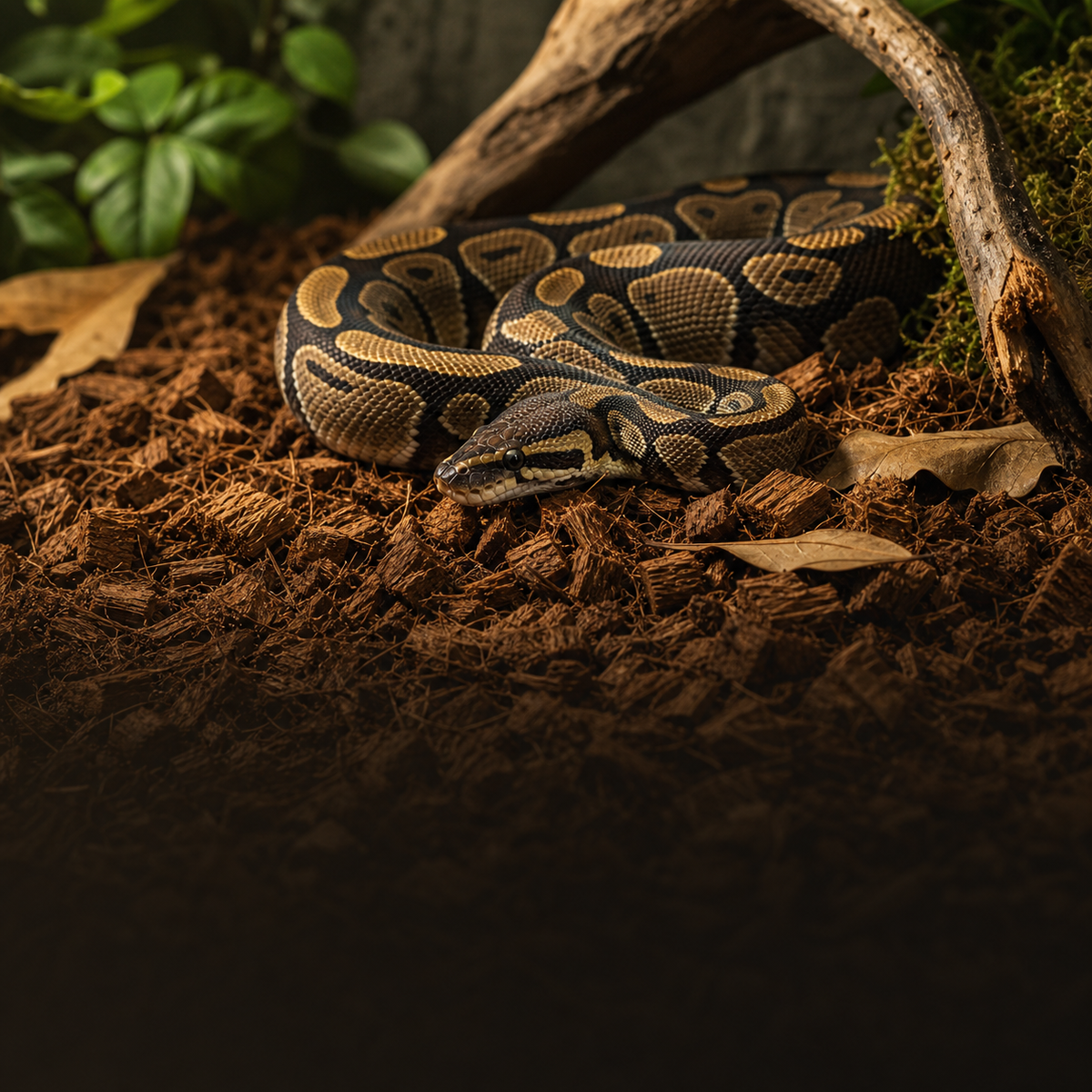
Best substrate for ball pythons & snakes
Why coco husk chips suit ball pythons and boas — humidity, burrowing and lower impaction risk.
Read guide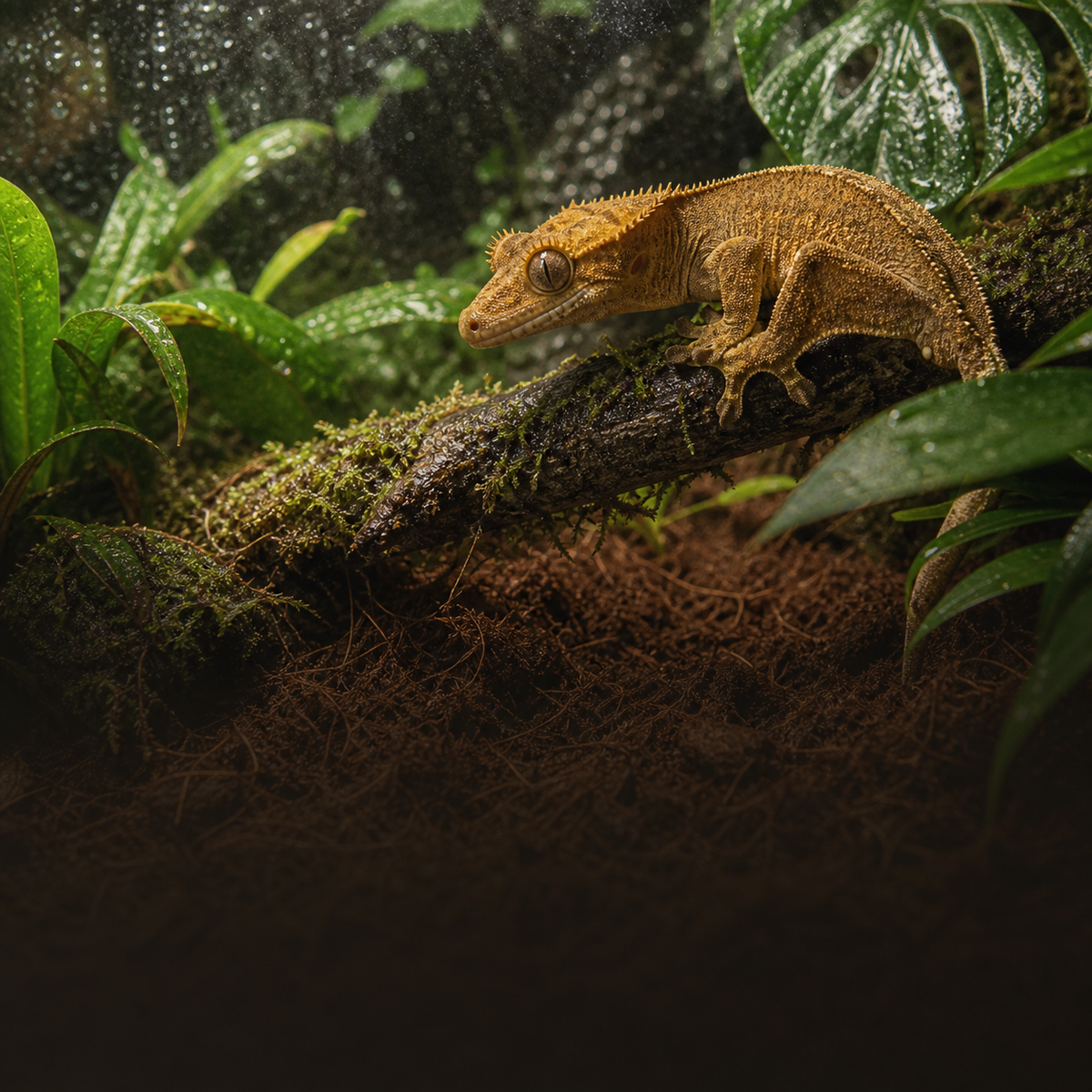
Best substrate for crested geckos & tropical lizards
How fine coco fibre holds the humidity crested geckos, day geckos and chameleons need.
Read guide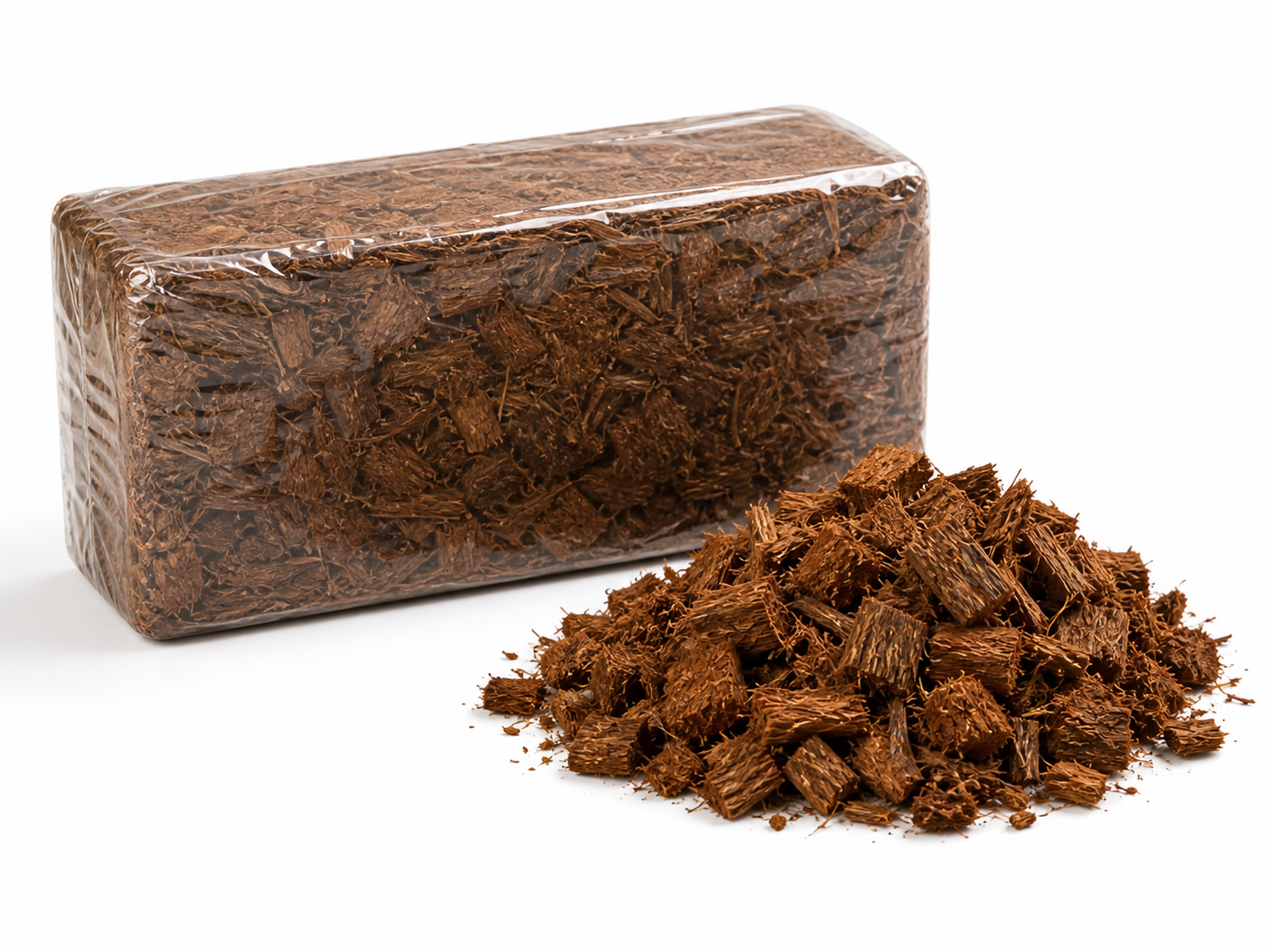
Coco fibre vs coco husk chips: which to choose
Fine fibre for humidity, coarse chips for structure — how to pick (or blend) the two.
Read guide
Bioactive vivarium substrate: a starter guide
The layers of a bioactive build — drainage, coco base, leaf litter and clean-up crew.
Read guideNew to coco substrate? In short: it is a renewable coconut by-product that comes as fine fibre (holds moisture and humidity), coarse husk chips (structure and airflow), or a bioactive base (for planted vivariums). Which one you need depends on the animal — the guides above walk through it species by species.
Building a substrate range for your brand?
Use the guides to shape your assortment, then request samples and specifications to make it real.